
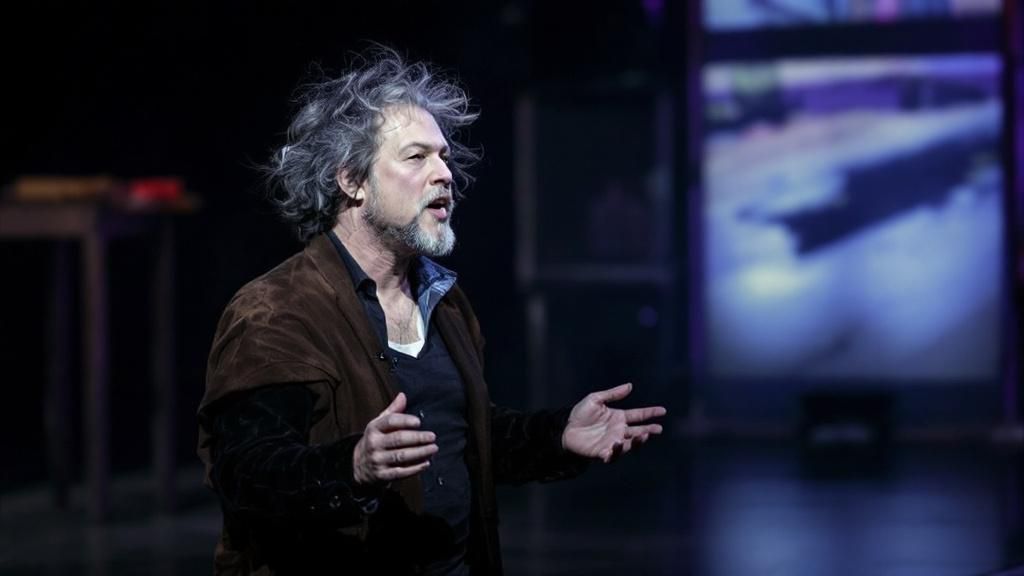
The National Theatre has launched an ambitious new programme created to broaden participation in classical drama throughout the United Kingdom. This innovative initiative aims to bring internationally acclaimed stage productions to communities far outside London’s West End, ensuring that audiences in rural and underserved regions can witness Shakespeare, Chekhov, and contemporary interpretations of classic works. Through innovative touring schemes, virtual mediums, and partnership collaborations, the theatre is fundamentally reshaping how Britain engages with dramatic literature, rendering excellent productions an right rather than a privilege.
Opening Up Access to World-Class Theatre to Outstanding Theatre
The National Theatre’s programme marks a significant transformation in how traditional theatre reaches viewers within the UK. By eliminating geographical barriers and cost barriers, the initiative secures that populations in countryside regions and deprived regions can enjoy shows traditionally limited to London’s premier institutions. This focus on inclusion demonstrates a basic principle that artistic merit should not be governed by location or financial means, but rather shared fairly between all individuals independent of their backgrounds.
Through key partnerships with theatre companies across regions, educational institutions, and arts bodies in local areas, the National Theatre is creating sustainable pathways for interaction with classical works. The scheme covers touring productions, discounted ticket programmes, and community-developed interpretations that encourage local participation and cultural ownership. By nurturing these partnerships, the theatre evolves beyond a London-focused venue into a dispersed system of artistic quality, ensuring that the life-changing influence of dramatic art becomes genuinely accessible to audiences nationwide.
Digital Advancement and Community Engagement
The National Theatre’s plan depends on cutting-edge digital technology to broaden its audience nationwide. By harnessing digital platforms and digital theatre experiences, the institution provides concurrent viewing to performances for audiences without the ability to attend live. This technological infrastructure democratises cultural participation, letting people from Cornwall to the Scottish Highlands to enjoy high-quality theatre from home. The initiative also incorporates immersive digital content, instructional content, and backstage insights, enriching the theatrical experience beyond traditional stage productions and building stronger connections with traditional theatrical works.
Equally noteworthy are the partnership arrangements established with regional theatres, council bodies, and community organisations throughout the United Kingdom. These working relationships ensure productions connect with diverse audiences whilst supporting grassroots cultural infrastructure. The National Theatre provides funding, expertise, and artistic direction to partner venues, building enduring cultural frameworks in underrepresented areas. By working alongside community organisations rather than applying metropolitan standards, the initiative respects community character whilst upholding artistic excellence. This partnership model converts classical drama into a genuinely nationwide endeavour, embedding theatrical culture across communities and creating enduring cultural heritage.
Impact and Future Vision
The initiative’s impact reaches well beyond mere attendance figures, profoundly changing cultural involvement throughout the country. Theatre organisations across regions reveal record engagement figures, with patrons discovering fresh appreciation for traditional theatre pieces formerly considered inaccessible. Areas that traditionally lacked performance venues now access theatrical productions, educational programmes, and backstage access. This broadening of access fosters a increasingly inclusive cultural sphere, inspiring the next generation to participate in dramatic literature as a key element of their education and personal development.
Looking ahead, the National Theatre anticipates ongoing growth of this innovative initiative throughout the following decade. Strategic investments in technological infrastructure promise to broaden reach, enabling simultaneous broadcasts and on-demand access to archived productions. Collaborations involving schools and universities will integrate period plays within school curricula, cultivating lifelong appreciation for stage performance. The scheme represents a watershed moment, setting the idea that remarkable dramatic performances represent a basic cultural entitlement rather than an exclusive London-based privilege.
As this transformative initiative progresses forward, its success ultimately depends upon continuous investment, audience involvement, and collaborative partnerships. The National Theatre continues to be focused on evaluating effectiveness through audience feedback, participation rates, and educational outcomes, ensuring accountability and ongoing development. This groundbreaking programme signals a fundamental transformation in UK cultural priorities, demonstrating that classical drama is for everyone.
